Macroeconomics
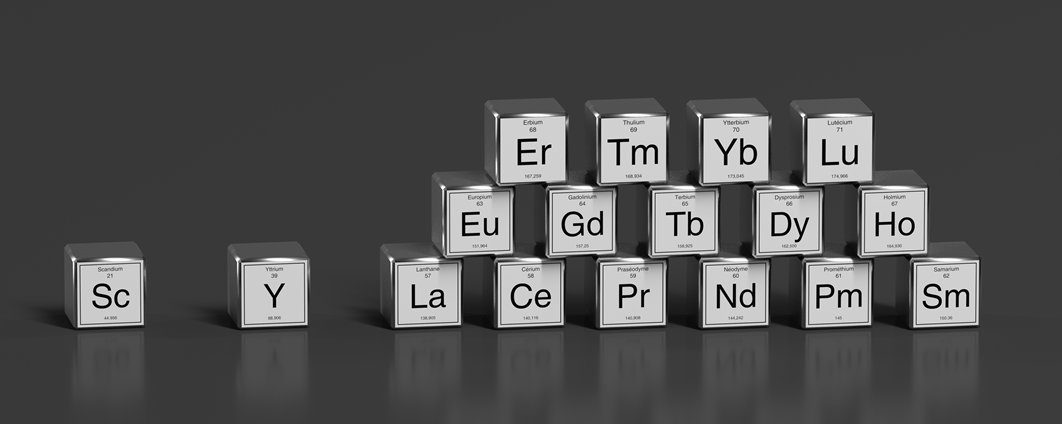
When the prices of certain high-tech materials suddenly surged in the autumn of 2010, many industrial companies were abruptly confronted with how vulnerable their supply chains were. The trigger? Not an oil conflict, not a financial crisis – but a maritime dispute between China and Japan. At the center were metals that few people had heard of at the time: rare earths.
Today, rare earths are indispensable to everyday life. Without them, there would be no high-performance motors in electric vehicles, no efficient wind turbines, no smartphones, and no modern defense systems. What once primarily concerned mineralogists has since become the nervous system of modern economies.
As their technological importance has grown, so too has their geopolitical significance. Over the past decades, China has not only controlled large parts of global extraction, but – crucially – has built up and expanded the key stages of processing and refining. A state-directed industrial policy made it possible to transform geological resources into systemic influence. This became visible, for example, through export restrictions that trigger systemic market reactions and expose political dependencies.
Major economies have since responded. The United States is supporting new mining and processing projects. The European Union has adopted a Critical Raw Materials Act. Japan has pursued supply diversification for more than a decade. Finally, Australia has strengthened its role as an alternative producer. Nevertheless, global value creation in rare earths remains heavily concentrated in China and is therefore critical from both a geopolitical and geo-economic perspective.
This study examines the underlying fragility. It traces rare earth supply chains from the mine to highly refined industrial products, showing where strategic import dependencies have emerged and why they are so difficult to unwind. The analysis makes clear that this is no longer merely a question of geology. Industrial policy, environmental considerations, and geopolitical strategies intersect, turning seemingly ordinary minerals into a central instrument of geopolitical power.

About the author
Senior Research Analyst. Studies (Università di Roma), doctorate (Università di Torino). Since November 2019 Professor at the Technical University of Cologne & since July 2016 Privatdozentin at the Georg-August-University Göttingen.


Legal notice
The information contained and opinions expressed in this document reflect the views of the author at the time of publication and are subject to change without prior notice. Forward-looking statements reflect the judgement and future expectations of the author. The opinions and expectations found in this document may differ from estimations found in other documents of Flossbach von Storch SE. The above information is provided for informational purposes only and without any obligation, whether contractual or otherwise. This document does not constitute an offer to sell, purchase or subscribe to securities or other assets. The information and estimates contained herein do not constitute investment advice or any other form of recommendation. All information has been compiled with care. However, no guarantee is given as to the accuracy and completeness of information and no liability is accepted. Past performance is not a reliable indicator of future performance. All authorial rights and other rights, titles and claims (including copyrights, brands, patents, intellectual property rights and other rights) to, for and from all the information in this publication are subject, without restriction, to the applicable provisions and property rights of the registered owners. You do not acquire any rights to the contents. Copyright for contents created and published by Flossbach von Storch SE remains solely with Flossbach von Storch SE. Such content may not be reproduced or used in full or in part without the written approval of Flossbach von Storch SE.
Reprinting or making the content publicly available – in particular by including it in third-party websites – together with reproduction on data storage devices of any kind requires the prior written consent of Flossbach von Storch SE.
© 2026 Flossbach von Storch. All rights reserved.